

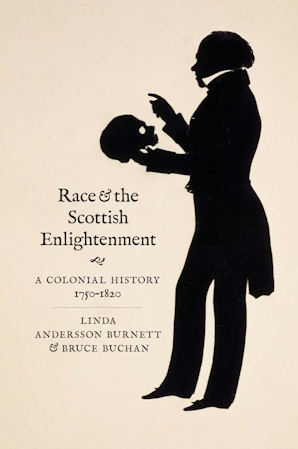
Race and the Scottish Enlightenment
A Colonial History, 1750-1820
Linda Andersson Burnett & Bruce Buchan
In the decades after 1750, an increasing number of former medical students from the University of Edinburgh construed humanity as a subject of both intellectual curiosity and colonial interest. They drew on a shared educational background, blending medicine with natural history and moral philosophy, in a range of encounters with non-European and Indigenous peoples across the globe whom they began to classify as races. Focusing on a surprising number of these understudied students, this book reveals the gradual predominance of race in Scottish Enlightenment thought.
Among this group were those such as the Pacific traveler Archibald Menzies and the circumnavigator of Australia, Robert Brown, who are known primarily as botanists rather than as ethnographers. Together they formed a global network of colonial travelers and natural historians sharing a common educational background and a growing interest in race.
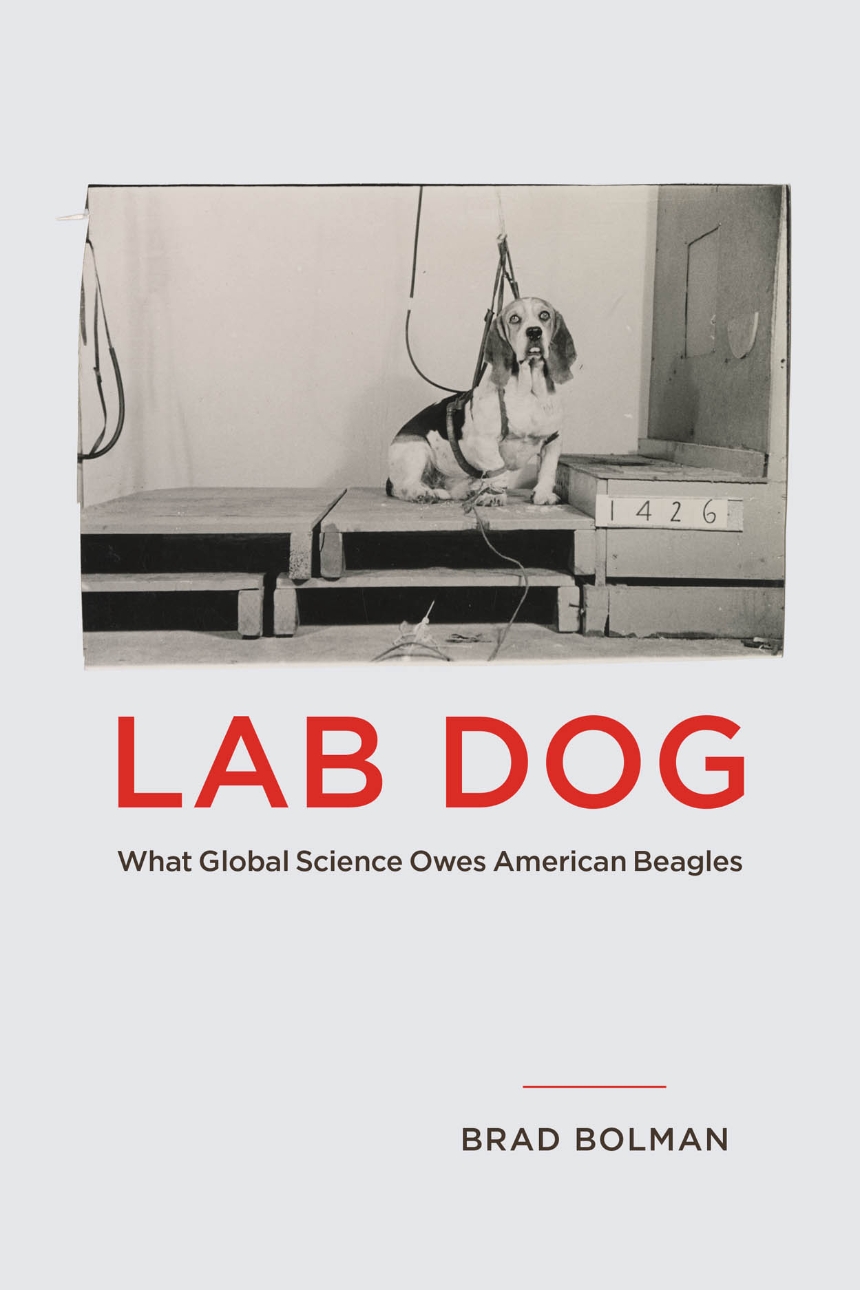
Lab Dog
What Global Science Owes American Beagles
Brad Bolman
In Lab Dog, historian Brad Bolman explains how the laboratory dog became a subject of intense focus for twentieth-century scientists and charts the beagle’s surprising trajectory through global science. Following beagles as they moved from eugenics to radiobiology, pharmaceutical testing to Alzheimer’s studies, Lab Dog sheds new light on pivotal stories of twentieth-century science, including the Manhattan Project, tobacco controversies, contraceptive testing, and behavioral genetics research. Bolman shows how these experiments shaped our understanding of dogs as intelligent companions who deserve moral protection and socialization—and in some cases, daily medication. Compelling and accessible, Lab Dog tells the thorny story of the participation of beagles in science, including both their sacrifices and their contributions, and offers a glimpse into the future of animal experimentation.
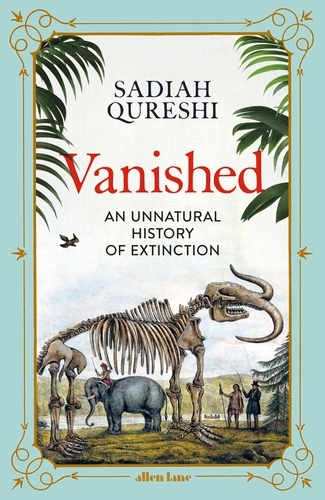
Vanished
An Unnatural History of Extinction
Sadiah Qureshi
In this book, Sadiah Qureshi shows us that extinction is more than a scientific idea; it’s a political choice that has led to devasting consequences. Europeans and Americans quickly used the notion that extinction was a natural process to justify persecution and genocide, predicting that nations from Newfoundland’s Beothuk to Aboriginal Australians were doomed to die out from imperial expansion.
Exploring the tangled and unnatural histories of extinction and empire, Vanished weaves together pioneering original research and breath-taking storytelling to show us extinction is both an evolutionary process and a human act: one which illuminates our past, and may alter our future.
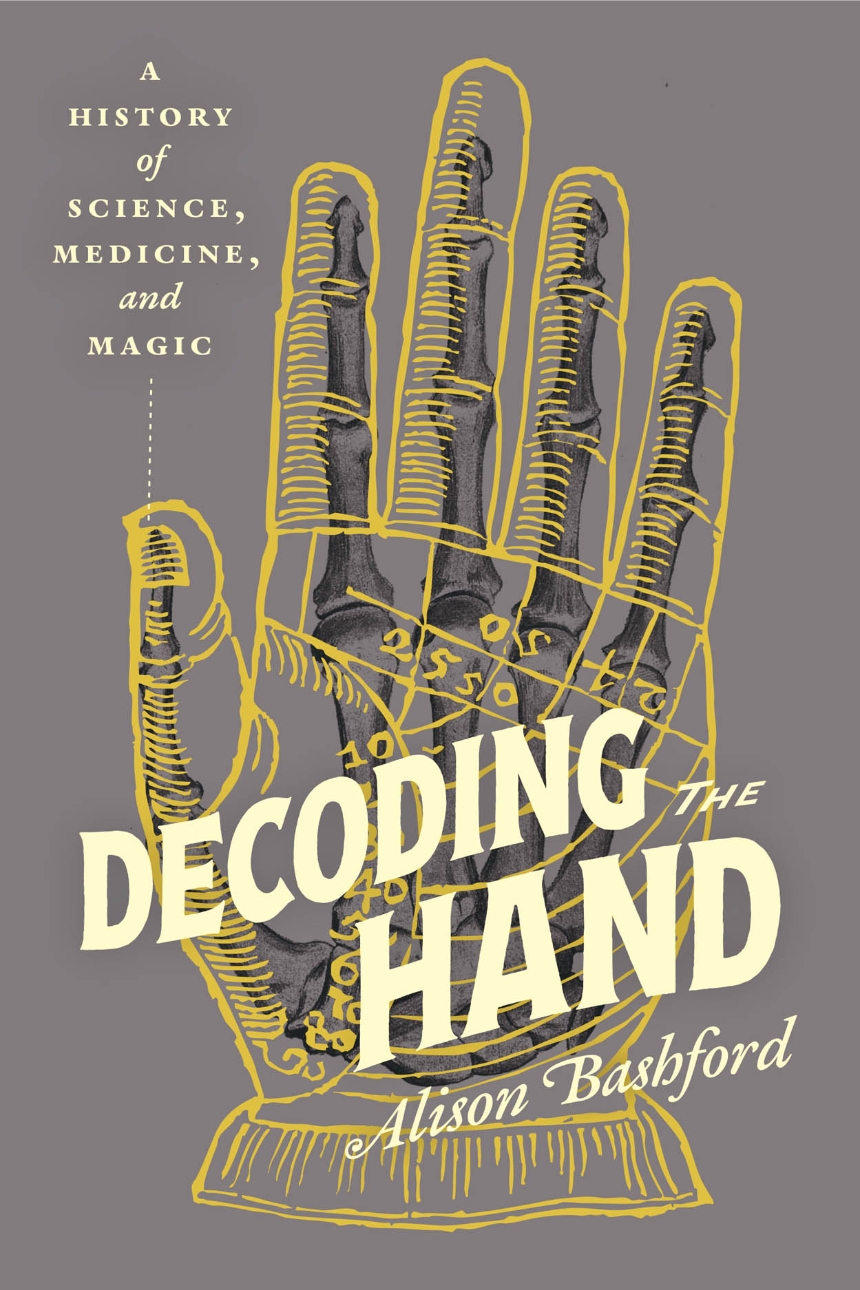
Decoding the Hand
Alison Bashford
Decoding the Hand is an astounding history of magic, medicine, and science, of an enduring search for how our bodily surfaces might reveal an inner self—a soul, a character, an identity. From sixteenth-century occult physicians influenced by the Kabbalah to twentieth-century geneticists, and from criminologists to eugenicists, award-winning historian Alison Bashford takes us on a remarkable journey into the strange world of hand readers, revealing how signs on the hand—its shape, lines, marks, and patterns—have been elaborately decoded over the centuries.
Drawing telling parallels between the divination promised by palmistry and the appeal to self-knowledge offered by modern genetic testing, Decoding the Hand also makes clear that palm-reading is far from a relic or simple charlatanism. Bashford’s sagacious history of human hands touching and connecting opens wide the essential human pursuit of what lies within and beyond.
Drawing telling parallels between the divination promised by palmistry and the appeal to self-knowledge offered by modern genetic testing, Decoding the Hand also makes clear that palm-reading is far from a relic or simple charlatanism. Bashford’s sagacious history of human hands touching and connecting opens wide the essential human pursuit of what lies within and beyond.
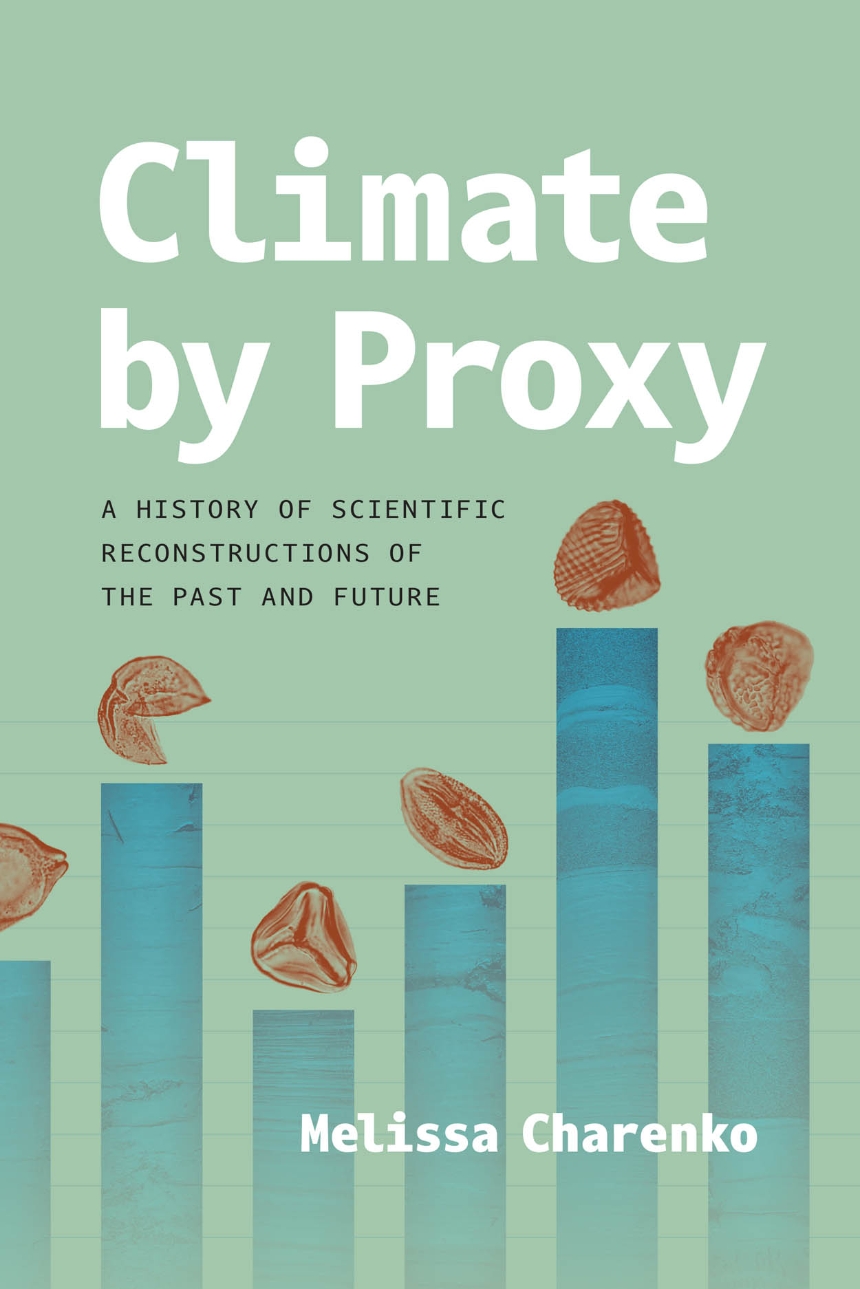
Climate by Proxy
A History of Scientific Reconstructions of the Past and Future
Melissa Charenko
Climate by Proxy by Melissa Charenko explores how scientists read the record of past climates and how their readings have engendered particular understandings of climate. Charenko focuses on the twentieth century, a period when scientists in Europe and North America began to believe that climate had a dynamic history worth studying. Scientists in this period developed several techniques to infer past climate from fossil pollen, tree rings, pieces of vegetation, and other organic remains imprinted upon by former climates. Climate by Proxy examines how these techniques helped shape notions of climate itself.
Charenko also shows how these varied interpretations of climate played an outsized role in explanations of human history and destiny. By following the scientists who reconstructed climate using natural archives, Climate by Proxy demonstrates how material objects worked with scientists’ perceptions of human groups to compel, constrain, and reinforce their understandings of climate, history, and the future.
Charenko also shows how these varied interpretations of climate played an outsized role in explanations of human history and destiny. By following the scientists who reconstructed climate using natural archives, Climate by Proxy demonstrates how material objects worked with scientists’ perceptions of human groups to compel, constrain, and reinforce their understandings of climate, history, and the future.
Unrefined
How Capitalism Reinvented Sugar
David Singerman
In Unrefined, David Singerman recasts our thinking about this crucial substance in the history of capitalism. Before the nineteenth century, sugar’s value depended on natural qualities: its color, its taste, where it was grown, and who had made it. But beginning around 1850, a combination of plantation owners, industrialists, and scientists set out to redefine sugar itself. Deploying the tools and rhetoric of science, they transformed not just how sugar was produced or traded but even how people thought about it. By changing sugar into a pure chemical object, these forces stripped power from workers and enabled—and obscured—new kinds of fraud, corruption, and monopoly.
Taking us to unexplored spaces in the world of sugar, from laboratories and docks to refineries and the halls of Congress, Singerman illuminates dark intersections of the histories of corruption, science, and capitalism.